Centralized Exchanges vs. Hardware Wallets: Securing Business Revenue
Published · · Updated
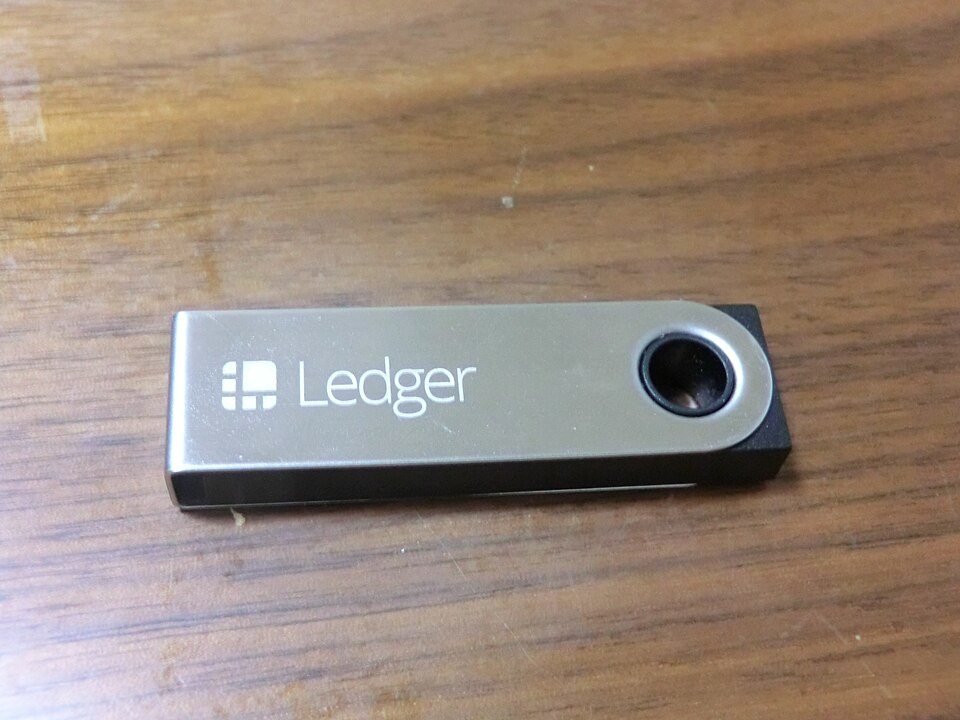
Keeping business revenue on an exchange and managing it with hardware-assisted signing address different operational needs. An exchange account can combine trading and withdrawal services, subject to the provider’s account controls and availability. A hardware wallet changes how your organization protects signing keys, but does not itself provide accounting, an approval policy or a complete recovery plan. Neither arrangement should be evaluated solely by a device specification or a familiar brand name. This security analysis starts with the business workflow: who can approve a transfer, how a destination is verified, which records explain the movement and what happens when the usual operator is unavailable. It also distinguishes signing-key protection from the risks of the token being held; issuer restrictions remain a separate consideration. A useful treasury design assigns clear roles to funds needed for immediate operations and funds held for longer periods, with rehearsed recovery procedures and transaction limits appropriate to the business.
Practical considerations
- Document authorization roles and independent destination verification before moving substantial revenue.
- Keep recovery material separate from ordinary business files and test the recovery process under controlled conditions.
- Evaluate the exchange, the signing process and the token’s own risks as separate decisions.
Describe what the business needs to do with its revenue
A custody decision should start with required actions: receive customer payments, approve supplier transfers, make refunds, convert into operating currency and produce records. An exchange account and a hardware-assisted signing setup can serve different parts of that workflow. Comparing them as interchangeable storage products hides those differences.
Identify the amount and timing of obligations, the people authorized to act and the records finance needs. Do not assume that a balance visible in one interface is immediately usable for every business purpose. The relevant question is which complete arrangement supports those actions with a documented recovery process.
Evaluate the account-based service arrangement
For a centralized service, review the contracting entity, access controls, withdrawal process and current account terms. Determine how staff roles are assigned, how changes are approved and how the business obtains transaction records. Verify the intended withdrawal route with a controlled transaction instead of relying on a successful deposit alone.
Keep an incident contact and a procedure for an unavailable account. Record which obligations would be affected and whether an independent operating route exists. These are due-diligence questions, not a prediction that a particular provider will fail. They make the dependency explicit before the business relies on it at larger scale.
Build a hardware-wallet operating procedure
A signing device is one component of an arrangement that also includes backups, destination verification and authorization. Document how it is initialized, who can use it and what another authorized person should do if the normal operator is absent. Keep recovery material out of ordinary email, chat and shared business folders.
Verify payment details through the signing workflow supported by the device and wallet software. A copied destination can still be wrong even when the signing key remains protected. Treat software updates, device replacement and staff changes as events requiring an established process, rather than occasions to improvise around the controls.
Separate authorization from key possession
The person able to operate a device should not automatically have unlimited authority to move business funds. Define who approves an instruction and what evidence the operator must verify. Where a multi-party arrangement is considered, assess the actual technical support and recovery procedure with appropriate expertise instead of assuming that adding signers automatically solves every control problem.
Example: a refund and supplier payment on the same day
Consider a fictional company that must refund a customer and pay a supplier while its usual finance operator is away. A workable arrangement identifies the substitute approver, the evidence for both destinations and the route that supplies the required asset or currency. It also preserves separate references so finance can later reconcile each obligation.
If the company’s only procedure is that one person knows where a device is, the backup has not been designed. If its exchange account depends on one personal email address with no business recovery route, the account arrangement also needs attention. The example illustrates an organizational gap that a new storage product alone cannot repair.
Rehearse recovery under controlled conditions
Test recovery with a controlled setup and an appropriate small amount before relying on it for material revenue. Verify that the intended authorized people can follow the instructions and that the records do not expose secret information. Do not photograph recovery material for a general incident report or ask support to handle it.
For a provider account, test the documented business access and statement-export process. For a signing arrangement, review device loss and staff departure scenarios. Record the result, the remaining questions and the owner of the next review. The rehearsal should verify a process, not merely confirm that a device turns on.
Keep token risk and treasury design in view
Key protection does not determine whether an asset maintains its target value or whether an issuer can impose restrictions. Those are separate questions, and Tether’s published terms are relevant to the latter when evaluating USDT. Likewise, selecting an exchange does not by itself answer how much exposure your business should retain.
Map which funds are needed for immediate obligations and which can tolerate a longer access or conversion process. Discuss the allocation with the people responsible for finance and risk. Use limits, records and reviewed operating arrangements suited to the business rather than a blanket instruction to place all revenue in one product.
Conclusion: secure the process around the balance
The stronger arrangement is the one your business can authorize, reconcile and recover through realistic interruptions. Write the operating procedure, assign backup roles and rehearse a controlled recovery before increasing exposure. Use the operational-risk comparison and B2B checklist to connect custody decisions with the obligations that revenue must fund.
Turn the analysis into an operating review
Rehearse a controlled recovery and document who can approve and execute the next business transfer.
Explore related payment guides →Primary sources
General education only. Provider support, costs and rules may change. Consult the linked documentation and qualified advisers for your own circumstances.